


Events
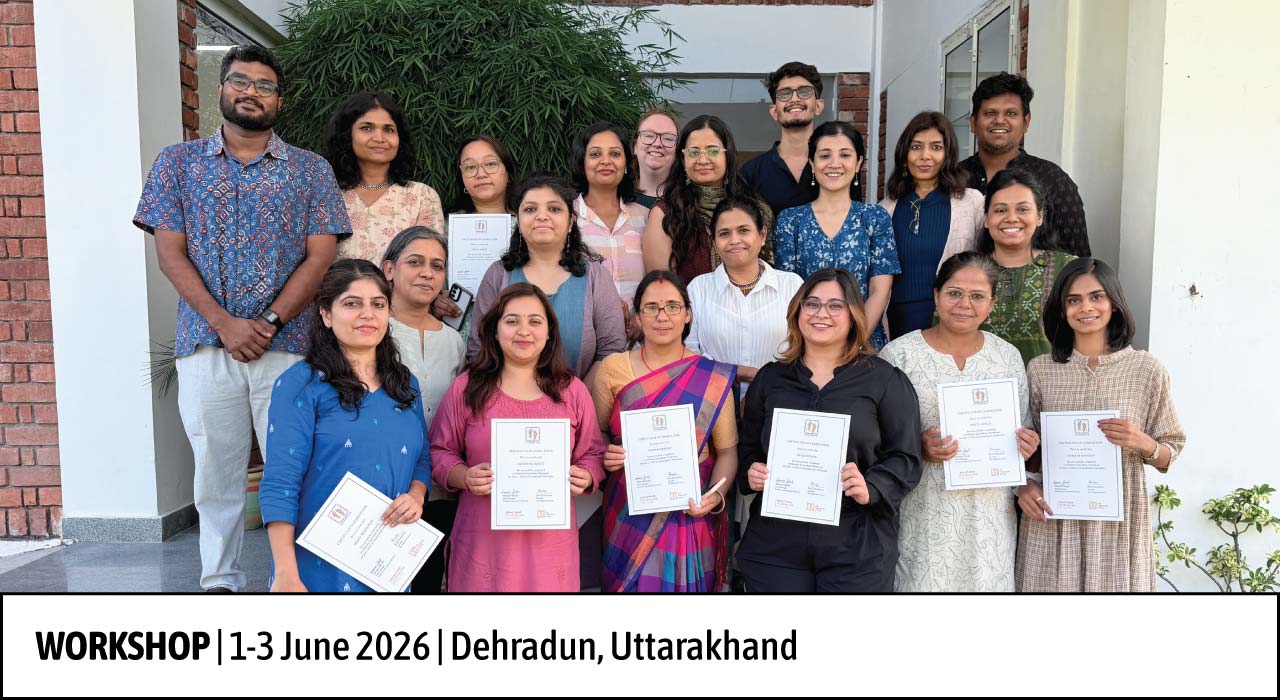
Groundswell by The Migration Story
Nihal and Shilpa trained 10 grassroots women journalists on climate change, climate reporting, responsible storytelling, and climate-linked migration. Nihal also joined a panel on climate migration narratives, highlighting nuanced, evidence-based, migrant-centred reporting on mobility and climate change.
Groundswell by The Migration Story
Groundswell 2026 brought together journalists, researchers, practitioners, policymakers, civil society organisations, and migrants to explore solutions for safer and more inclusive migration in India. The event featured a journalism training for grassroots journalists, panel discussions, and interactive sessions on climate-linked migration, women-led movements, labour rights, and migrant inclusion. Participants shared experiences, evidence, and emerging practices from across the country, while migrants contributed their own perspectives and priorities. Through dialogue, storytelling, and knowledge exchange, Groundswell created a platform for building connections, fostering collaboration, and advancing more equitable and migrant-centred approaches to policy and practice.
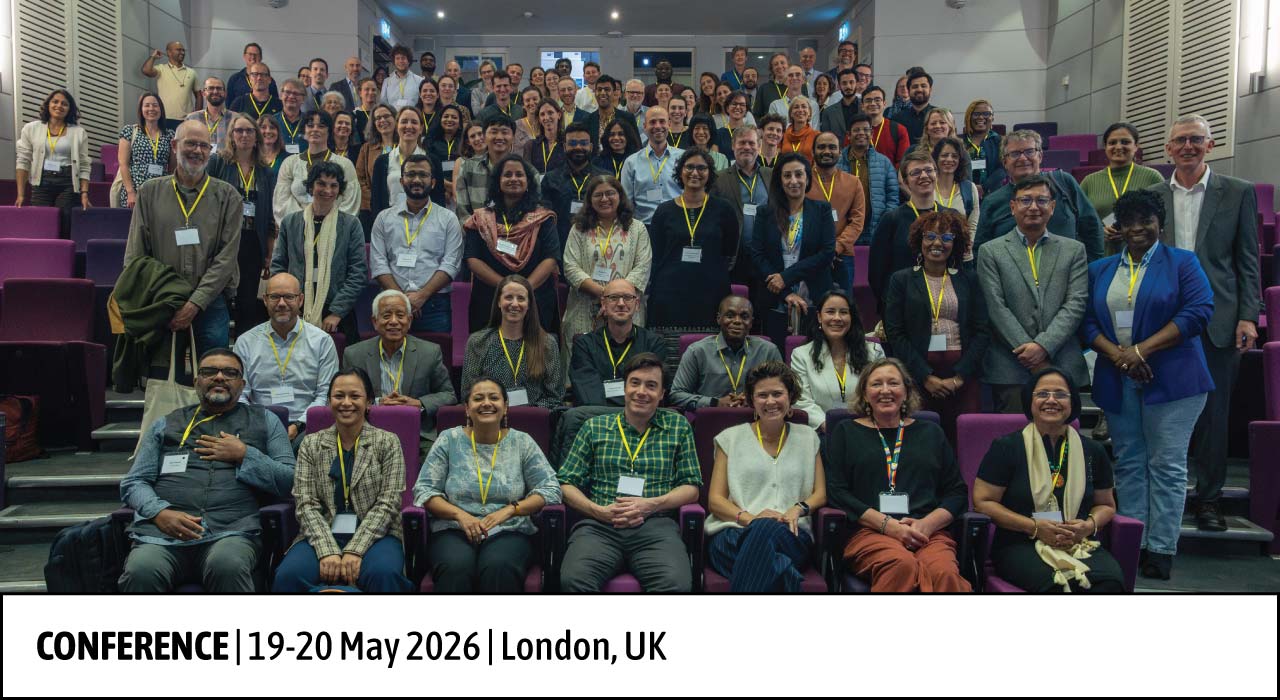
Science Conference | Mobility in Adaptation to Climate Change: Science, Evidence and Policy
The Mobility in Adaptation to Climate Change: Science, Evidence and Policy Conference, held from 19-20 May 2026 brought together researchers, practitioners, policymakers and civil society organisations to explore how mobility, migration and relocation are shaping adaptation to climate change across regions and contexts.
Science Conference | Mobility in Adaptation to Climate Change: Science, Evidence and Policy
The Mobility in Adaptation to Climate Change: Science, Evidence and Policy Conference was held at the Wellcome Collection, London, on 19–20 May 2026. Convened by the University of Exeter, the University of East Anglia, the Indian Institute for Human Settlements (IIHS), and the International Centre for Integrated Mountain Development (ICIMOD), the conference brought together researchers, practitioners, policymakers, and civil society organisations working on climate change, migration, and adaptation. The conference provided a platform to share emerging research and evidence on climate-related mobility, including findings from the SUCCESS and CLAPs programmes across Bangladesh, Bhutan, India, and Nepal, alongside perspectives from Africa, Europe, and the Pacific. Through keynote addresses, research presentations, workshops, and panel discussions, participants explored themes such as migration, immobility, relocation, urbanisation, resilience, governance, and justice, while advancing scientific understanding and policy engagement on mobility as a form of climate adaptation.The Mobility in Adaptation to Climate Change: Science, Evidence and Policy Conference was held at the Wellcome Collection, London, on 19–20 May 2026. Convened by the University of Exeter, the University of East Anglia, the Indian Institute for Human Settlements (IIHS), and the International Centre for Integrated Mountain Development (ICIMOD), the conference brought together researchers, practitioners, policymakers, and civil society organisations working on climate change, migration, and adaptation. The conference provided a platform to share emerging research and evidence on climate-related mobility, including findings from the SUCCESS and CLAPs programmes across Bangladesh, Bhutan, India, and Nepal, alongside perspectives from Africa, Europe, and the Pacific. Through keynote addresses, research presentations, workshops, and panel discussions, participants explored themes such as migration, immobility, relocation, urbanisation, resilience, governance, and justice, while advancing scientific understanding and policy engagement on mobility as a form of climate adaptation.
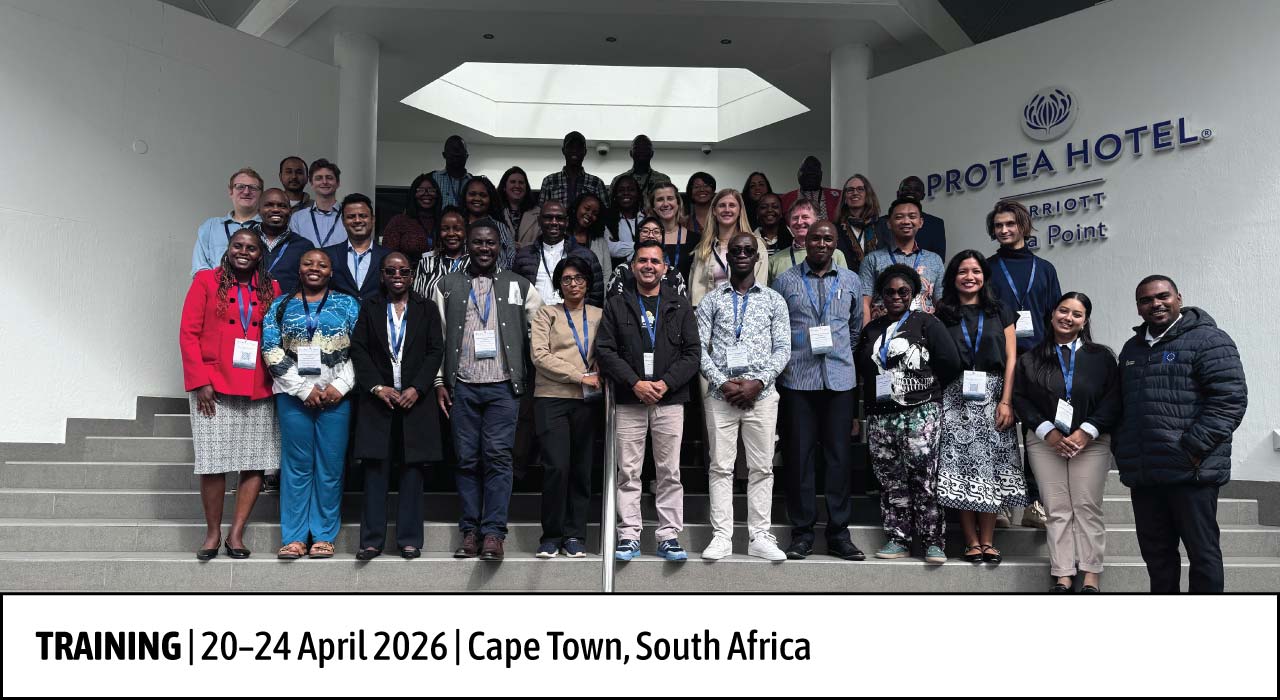
Strengthening Research for Impact at the CLARE CS Hub Seasonal School
Baishali Goswami from CMID participated in the CLARE Capacity Strengthening (CS) Hub Seasonal School held in Cape Town, South Africa, from 20–24 April 2026.
Strengthening Research for Impact at the CLARE CS Hub Seasonal School
The five-day programme was organised under the Climate Adaptation and Resilience (CLARE) initiative and brought together early- and mid-career researchers and practitioners working across the CLARE portfolio. The Seasonal School focused on exploring how research can contribute to meaningful, system-level change in climate adaptation. Through collaborative learning sessions, discussions, and interactive exercises, participants reflected on pathways through which research can move beyond knowledge generation to support real-world impact.
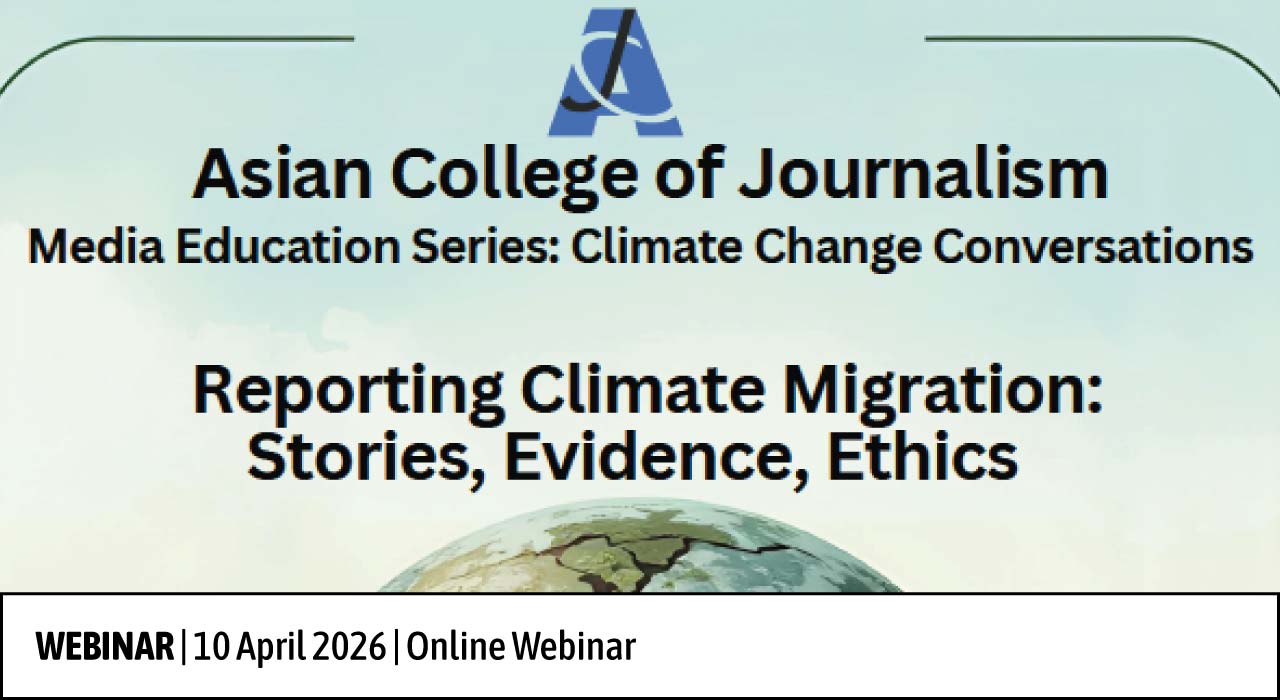
Webinar on Reporting Climate Migration
Nihal Ranjit and Sofia Juliet Rajan were speakers at the Asian College of Journalism Media Education Series: Climate Change Conversations | Reporting Climate Migration: Stories, Evidence, Ethics
Webinar on Reporting Climate Migration
The webinar discussed how Indian media covers climate migration, highlighting gaps in representation, including missing migrant identities, limited focus on women, and regional imbalances. It examined how climate migration is often simplified, overlooking its multi-causal nature and adaptive potential. The session emphasised that migration is a complex process shaped by climate, livelihoods, and social factors. It called for more responsible and nuanced reporting that includes migrant voices, captures lived realities, and supports more informed public discourse and policymaking.
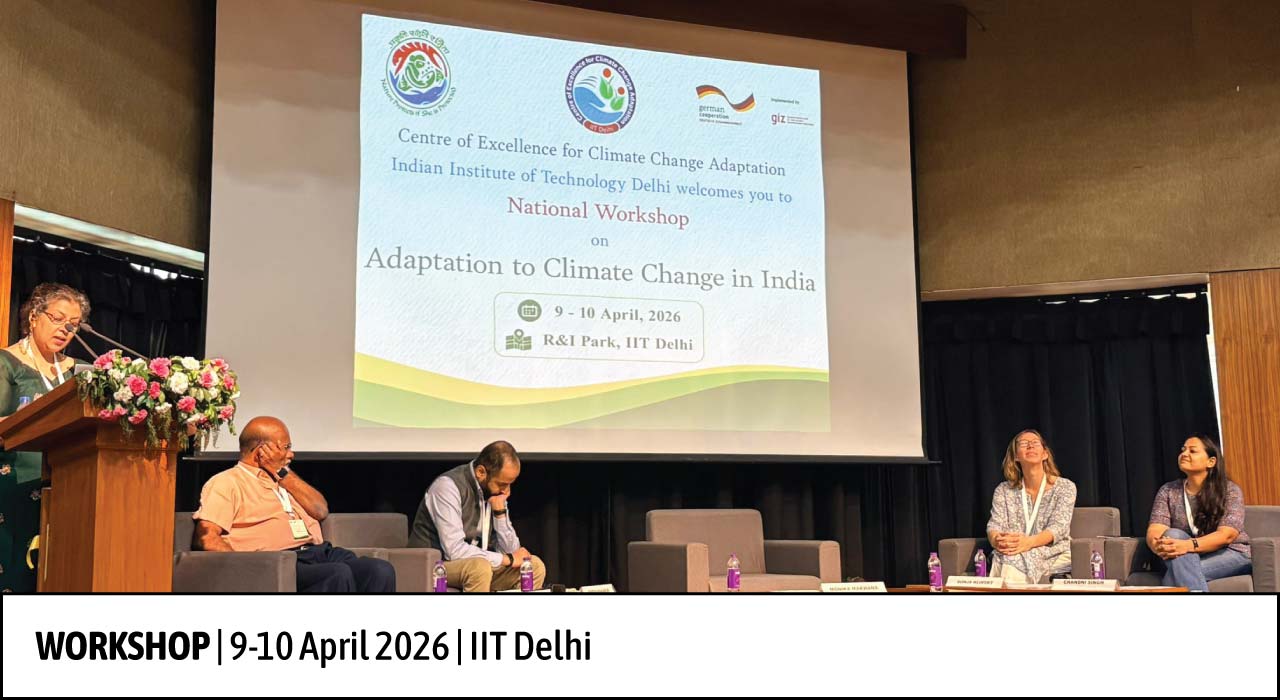
National Workshop on Adaptation to Climate Change in India
Chandni Singh attended the National Workshop on Adaptation to Climate Change in India at IIT Delhi
National Workshop on Adaptation to Climate Change in India
The Centre of Excellence for Climate Change Adaptation at IIT Delhi organised a two-day workshop on Adaptation to Climate Change in India. Three knowledge products were launched covering sectoral reviews climate change in Agriculture, Water and Disaster Risk Reduction where Chandni Singh and Nihal Ranjit contributed as authors. Chandni also moderated a session on the design of the Centre of Excellence, highlighting the need for evidence synthesis, plural knowledge, and capacity building.
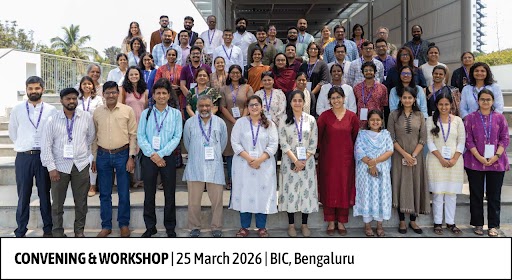
Strengthening Climate Resilience for Migrants and Informal Workers
The CLAPs team, with the Migrant Resilience Collaborative (MRC), hosted a multi-stakeholder workshop in Bengaluru with presentations, panels, and group sessions.
Strengthening Climate Resilience for Migrants and Informal Workers
This multi-stakeholder workshop brought together diverse stakeholders to build a shared understanding of climate risks faced by migrant and informal workers in Bengaluru. Through presentations, panel discussions, and group sessions, it examined existing interventions to identify good practices, key gaps, and areas for strengthening. The workshop also created a platform to co-develop actionable strategies to better integrate migrant inclusion into city planning processes. Aligned with the Bengaluru Climate Action and Resilience Plan (BCAP), the workshop contributes to ongoing efforts to strengthen inclusive climate action in the city. Insights from the discussions will inform city-level priorities and support the development of Ward-level Climate Action Plans (WCAPs), ensuring that the specific vulnerabilities of migrant and informal workers are reflected in planning and implementation.
Workshop on Distress Migration for Odia Journalists
Benoy Peter and Liby T Johnson were speakers at an online workshop on distress migration for 175 reporters of Sambad, Kanak TV News, and Radio Chokolat FM in Odisha.
Workshop on Distress Migration for Odia Journalists
The session focused on unpacking the evolving nature of migration in the state. Benoy Peter of CMID highlighted how migration is increasingly shaped by aspiration alongside climate stress and structural inequities, and cautioned against viewing it solely as “distress migration.” Liby T Johnson of Gram Vikas contextualised the discussion through research from blocks in South Odisha, pointing to the rise in opportunistic migration. He also emphasised the role of remittances in supporting local economic development and strengthening adaptive capacities at household and village levels.
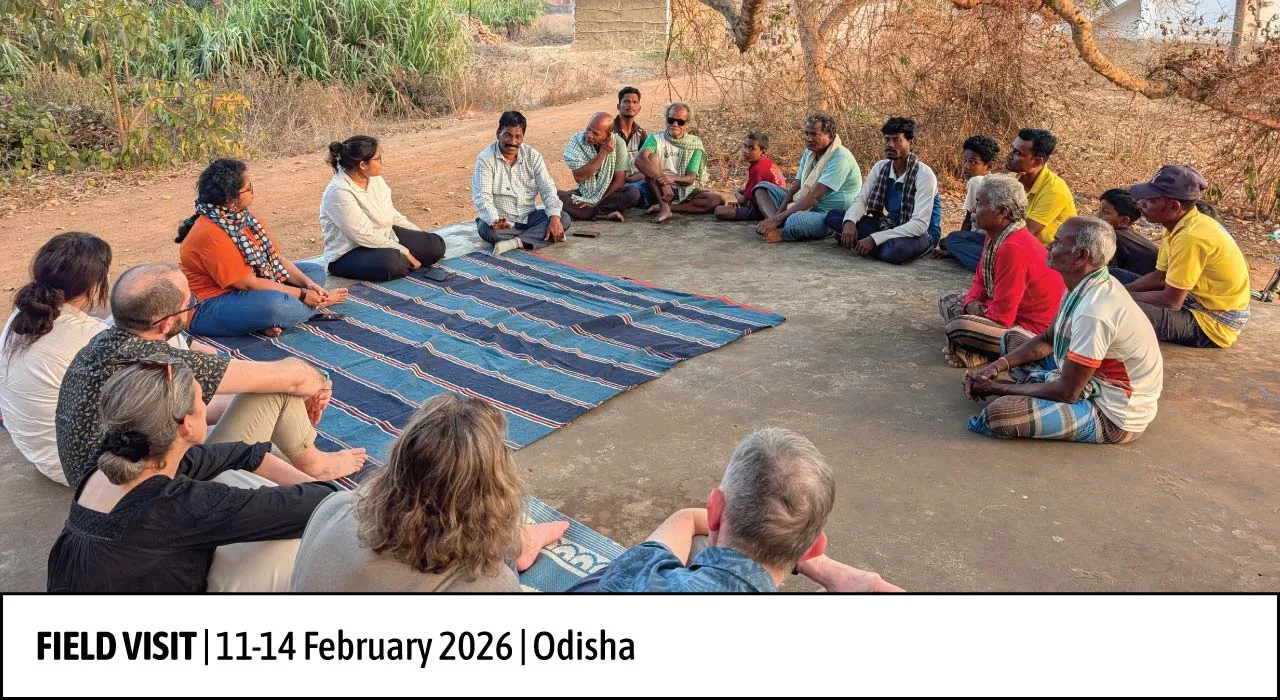
UK–Nepal team visit South Odisha
Colleagues from CLAPs and SUCCESS team in the UK and Nepal undertook a three-day field visit to South Odisha, organised by Gram Vikas.
UK–Nepal team visit South Odisha
The visit offered first-hand insights through village visits and interactions with community members and local government officials, including sarpanches. The team focused on understanding Gram Vikas’s Safe and Dignified Migration (SDM) work through conversations with migrant workers, their families, local leadership at the village and Panchayat levels, and resource persons such as Gram Vikas Saathis and frontline workers. They also observed elements of the Water Secure Gram Panchayat (WSGP) programme, examining how communities are building resilience in response to climate vulnerability.
Beyond Borders Asia 2.0: Journalism for and with refugees, migrants and host communities
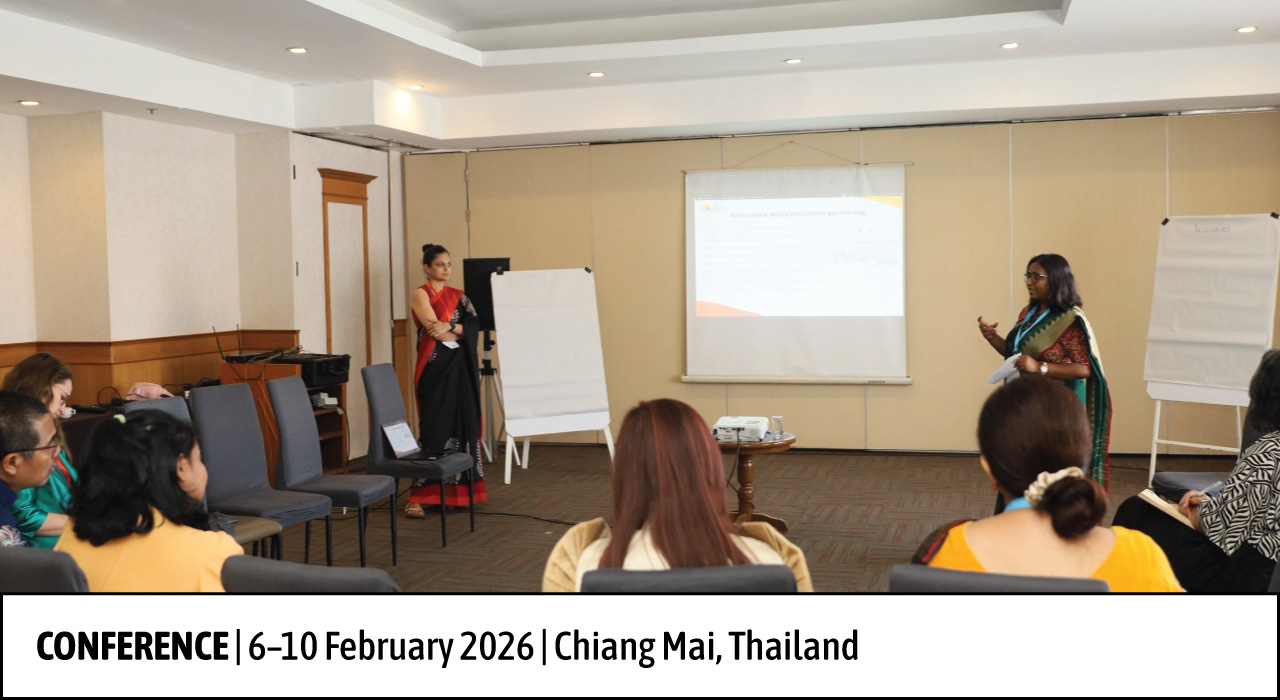
Sofia Juliet Rajan and Yashodara Udupa participated in the Beyond Borders Asia 2.0: Journalism for and with refugees, migrants and host communities, hosted by Deutsche Welle Akademie, in Chiang Mai, Thailand from February 6-10.
Beyond Borders Asia 2.0: Journalism for and with refugees, migrants and host communities
Sofia Juliet Rajan and Yashodara Udupa participated in the Beyond Borders Asia 2.0: Journalism for and with refugees, migrants and host communities, hosted by Deutsche Welle Akademie, in Chiang Mai, Thailand from February 6-10. They facilitated a workshop on Visualising Climate Migration with Ethics, Empathy and Agency, which examined how images shape public understanding of climate migration and how journalists and storytellers can intervene responsibly within those visual systems. The workshop saw participation of journalists, researchers and activists from South Asia and South East Asia.
India-Nepal roundtable conference
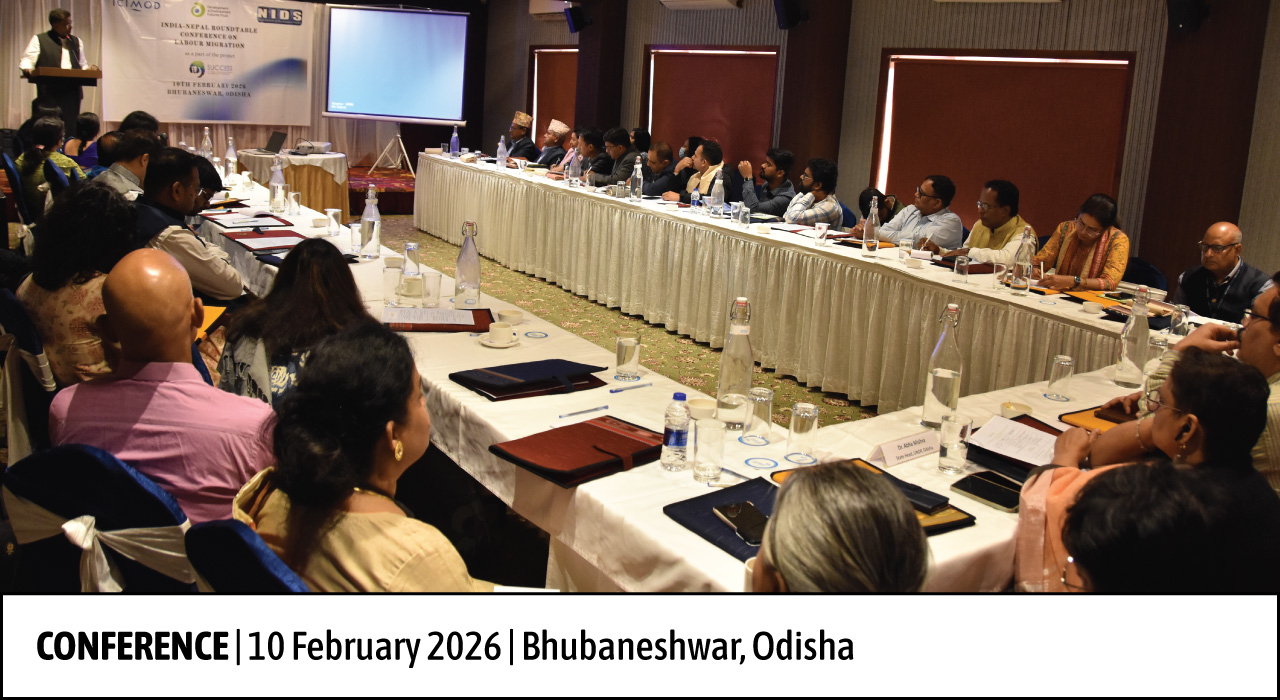
Rinchen Lama, Shilpa Shirish and Lata Biswal from the CLAPs team attended the India-Nepal roundtable conference on migrat organised by DEFT at Bhubaneshwar on 10th Feb, 2026.
India-Nepal roundtable conference
The meeting brought together researchers and NGO representatives from Aide-et-Action and Gram Vikas working on Labour migration in Odisha and delegates from Nepal, including representatives from ICIMOD and Nepal Institute of Development Studies (NIDS). The objective of the roundtable was to facilitate knowledge exchange on labour migration in India and Nepal. The discussions focused on understanding migration patterns, institutional responses, and policy frameworks in Odisha. The roundtable provided a platform for cross-border dialogue, enabling participants to compare approaches, identify common challenges, and explore opportunities for collaboration on labour migration issues between India and Nepal.
SUCCESS/CLAPS Third Annual Consortium meeting
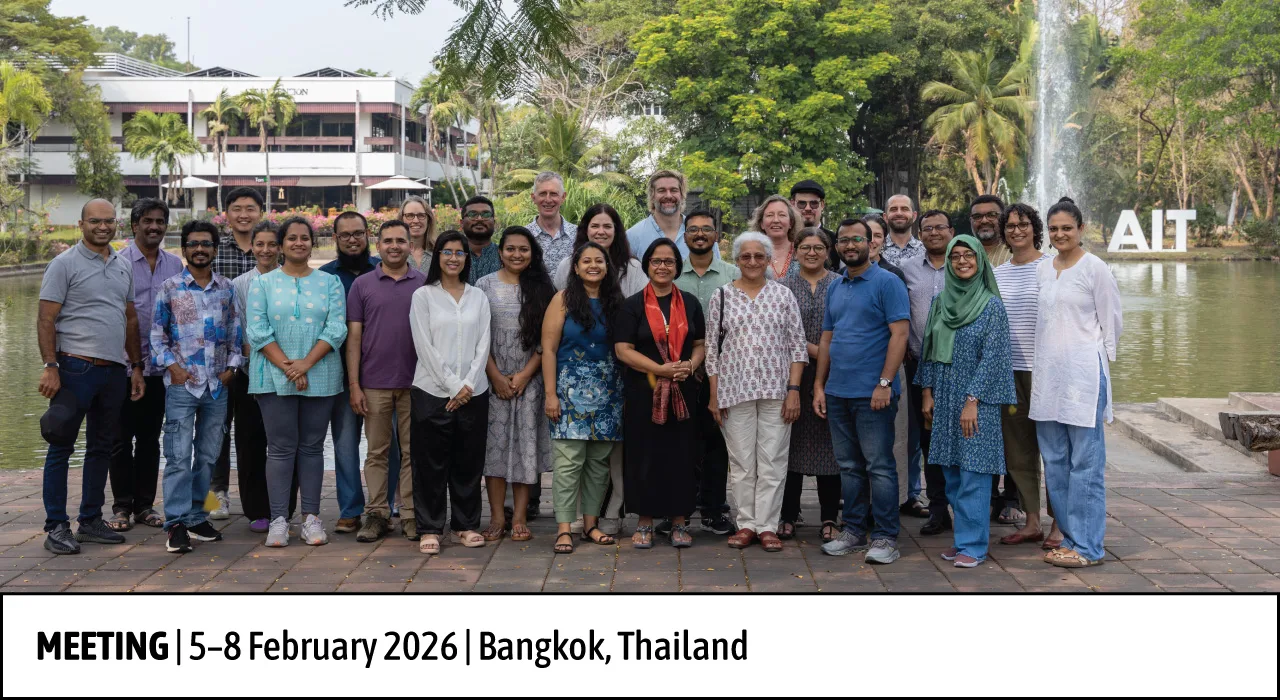
The SUCCESS/CLAPs Consortium convened its Third Annual Meeting at the Asian Institute of Technology (AIT), Bangkok, from 5–8 February 2026. The four-day meeting brought together partners across different institutions to reflect on progress, strengthen collaboration, and chart priorities for the project’s final year.
SUCCESS/CLAPS Third Annual Consortium meeting
The SUCCESS/CLAPs Consortium convened its Third Annual Meeting at the Asian Institute of Technology (AIT), Bangkok, from 5–8 February 2026. The four-day meeting brought together partners across different institutions to reflect on progress, strengthen collaboration, and chart priorities for the project’s final year. The discussions focussed on advancing integrative synthesis papers, refining data analysis plan across the four work packages. Shifting gears toward “research for impact,” the consortium also deliberated on impact pathways and communication strategies, working to distil key project messages to inform policy engagement and broader public discourse.

CLAPs at IIHS Urban ARC 2026
The CLAPs team organised a Panel titled Staying With Change: Non-movement, Local Adaptation, and the Geographies of Belonging in a Changing Climate at the 10th Edition of Urban ARC at IIHS. The Panel saw presentations from the CLAPs team and external experts.
CLAPs at IIHS Urban ARC 2026
IIHS hosted the 10th edition of the Urban ARC in Bengaluru from January 15–17, 2026. As part of the conference, the CLAPs team organised a panel titled “Staying With Change: Non-movement, Local Adaptation, and the Geographies of Belonging in a Changing Climate,” which focused on rural immobility in the context of climate change. The panel featured presentations by experts and journalists, including Dr Bishawjit Mallick, Dr Himani Upadhyay, and Aishwarya Mohanty. Rinchen Lama, Yashita Singh, Aditi Apparaju, and Dhananjayan M from the CLAPs project shared insights and methodological approaches from their ongoing research on immobility in Odisha and Karnataka. The panel was moderated by Sheetal Patil.

Third Lead Author Meeting of IPCC Special Report on Climate Change and Cities
Chandni Singh and Aysha Jennath attended the Third Lead Author Meeting of IPCC Special Report on Climate Change and Cities held in Oslo from January – 16, 2026.
Third Lead Author Meeting of IPCC Special Report on Climate Change and Cities
The team behind the Special Report on Climate Change and Cities convened for their Third Lead Author Meeting in Oslo from January 12-16, 2026. Chandni is a Lead Author for Chapter 4, and Aysha serves as the Chapter Scientist and a Contributing Author in the First Order Draft for Chapter 1. The team met to discuss the expert review of the First Order Draft of the report and to develop the Second Order Draft.

CLARE Communication and Dissemination Learning workshop
Sofia Juliet Rajan and Shilpa Shilpa Shirish participated in the Communication and Dissemination Learning Workshop in Diani, Kenya.
CLARE Communication and Dissemination Learning workshop
Sofia Juliet Rajan and Shilpa Shirish participated in the Communication and Dissemination Learning Workshop in Diani, Kenya (1–5 December), organised by the CLARE Programme Capacity Strengthening Hub (CS Hub), co-led by African Centre for Technology Studies (ACTS) and PlanAdapt. The workshop brought together researchers and practitioners from across the CLARE programme to strengthen how climate adaptation research is communicated and used in policy, practice and communities. At the workshop, Sofia led sessions on co-creating communication strategies for impact and why storytelling and media matter for research.

Odisha Vikas Conclave
CLAPs India team participated in the 6th edition of the Odisha Vikash Conclave held in Bhubaneshwar, organised by Odisha Development Initiative (ODI).
Odisha Vikas Conclave
CLAPs India team participated in the 6th edition of the Odisha Vikash Conclave held in Bhubaneshwar, organised by Odisha Development Initiative (ODI) a broad coalition bringing together civil soceity organisations, government, academia, and the private sector, and the media. Sheetal and Benoy presented insights from Odisha as part of thematic track on “Relocation, migration and climate justice” convened by Gram Vikas. The session was moderated by Liby Johnson. Chandni was part of the closing panel of the session alongside Arjan De Haan (IDRC) and the Odisha Labour Commissioner.

Foresight Training
The CLAPs team organised its second foresight workshop in Kochi.The workshop brought diverse stakeholders together to share lived experiences, map migration patterns at urban destinations and co-create strategies for supporting migrants and their families.
Foresight Training
The Foresight Workshop on the Central Kerala-South Odisha migration corridor brought together government officials, academics, practictioners, and community members to understand migration in a changing climate. Through interactive sessions, group activities, and discussions, participants mapped migration patterns and shared personal experiences. This participatory approach was used to better understand challenges, share ideas, and envision practical and inclusive ways to support migrants and their families at the urban destination.

8th international Adaptation Futures Conference
Members of the CLAPs team attended the Adaptation Futures 2025 Conference in Christchurch, contributing to multiple sessions and panels.
8th international Adaptation Futures Conference
Members of the CLAPs team attended the Adaptation Futures 2025 Conference in Christchurch, contributing to multiple sessions and panels. Chandni Singh moderated the session “Artists and Climate Scientists Speak” and participated in panels on “Beyond Adaptation – Reflections from Lived Experience (CLARE)” and “Cities, Settlements and Infrastructure – Equity, Indigeneity, and Habitability.” Namita KN presented the paper “The Role of Social Capital in Strengthening Adaptive Capacity to Climate Risk: Case of Low-Income Migrant Settlements in Bengaluru, India,” and Aysha Jennath presented her work on “An Agent-Based Modelling Tool for Evaluating Managed Retreat Policy in Coastal India.

Workshop for 101 Reporters Climate Journalism Fellowship
Sofia Juliet Rajan and Nihal Ranjit conducted an online workshop for Fellows of the 101 Reporters Climate Journalism Fellowship.
Workshop for 101 Reporters Climate Journalism Fellowship
Sofia Juliet Rajan and Nihal Ranjit led an online workshop on Climate & Migration for Fellows of the 101 Reporters Climate Journalism Fellowship. The session, titled “Dominant Narratives of Climate Migration in Indian Media,” looked at how the media covers represents internal climate-related mobility in India, the drivers, outcomes, and the portrayal of migrant populations. The workshop helped participants understand the close connections between climate change and migration and encouraged them to find new and lesser-told stories beyond the usual focus on disasters forcing people to leave their homes.

The Urban Climate Transition Conference, University College London
At The Urban Climate Transition Conference hosted at University College London, Chandni Singh spoke on Urban Loss and Damage: Compensation Beyond 1.5 Degrees
The Urban Climate Transition Conference, University College London
At The Urban Climate Transition Conference hosted by University College London and IIHS, Chandni Singh spoke on Urban Loss and Damage: Compensation Beyond 1.5 Degrees (6 October). The discussion featured provocations from Pablo Sebastián Mariani (UCLG) and a panel with Chandni Singh (IIHS), Friederike Hartz (UCL), and Joni Pegram (UNICEF), chaired by Mark Pelling (UCL).

Early Career Researchers Seasonal School on Research for Impact
Early Career Researchers (ECRs) came together at University of East Anglia for the SUCCESS/CLAPS Seasonal School on “Research for Impact”
Early Career Researchers Seasonal School on Research for Impact
The SUCCESS/CLAPS Early Career Researchers Seasonal School on “Research for Impact” was held from 13–15 September 2025 at the University of East Anglia (UEA) in Norwich, bringing together emerging researchers from Bangladesh, Bhutan, India, Nepal, and the UK. Grounded in CLARE’s Adaptation Research for Impact principles, the workshop emphasised needs-driven, co-produced, and equity-centred research aimed at delivering timely and scalable adaptation actions while strengthening long-term capacity. Over three days, participants took part in interactive workshops, media labs, writeshops, roundtables, and peer-learning sessions focused on mapping pathways to impact, writing for academic and policy audiences, and enhancing public engagement.

Symposium on Adaptation Success, University College London
Chandni Singh spoke at the symposium Defining and Measuring Adaptation Success: From Politics to Action at University College London. She set the scene on the politics of adaptation measurement and the uneven geography of adaptation knowledge.
Symposium on Adaptation Success, University College London
Chandni Singh spoke at the symposium Defining and Measuring Adaptation Success: From Politics to Action at University College London. She set the scene on the politics of adaptation measurement and the uneven geography of adaptation knowledge. Organised by the Accountable Adaptation project, the two-day gathering brought together leading researchers and practitioners from institutions including UCL, Basque Centre for Climate Change, CGIAR, Sciences Po, Practical Action, IISD, ICIMOD, LSE, Open University, University of Bonn, Imperial College London, and Helmholtz-Centre for Environmental Research. Timed alongside the release of 100 indicators under the UNFCCC Global Goal on Adaptation, the symposium explored how measurement frameworks, methods, and indicators shape accountability, define goals, and influence the outcomes of climate action.

Our Critical Decade for Climate Action Conference, Tyndall Centre
Early Career Researchers of the CLAPs team attended the Our Critical Decade for Climate Action Conference, organised by the Tyndall Centre at the University of East Anglia in Noriwch.
Our Critical Decade for Climate Action Conference, Tyndall Centre
The conference brought together global experts for three days of evidence-based discussion on climate resilience and sustainability. The event featured interdisciplinary sessions, early-career masterclasses on climate policy, climate visuals for media analysis and AI for climate impact assessments. Over 400 research posters were showcased, including one for the SUCCESS + CLAPs project.

First Foresight workshop in Odisha
The CLAPs team organised its first foresight workshop in Odisha in August. The workshop brought diverse stakeholders together to map migration patterns, share experiences, and co-create inclusive, climate-resilient strategies for supporting migrants and their families.
First Foresight workshop in Odisha
The Foresight Workshop on the South Odisha–Central Kerala migration corridor brought together government officials, NGO staff, and community members to explore migration in a changing climate. Through interactive sessions, group activities, and discussions, participants mapped migration patterns, shared personal experiences. This participatory approach was used to better understand challenges, share ideas, and envision practical, inclusive, and resilient ways to support migrants and their families.

Two-day workshop on Changing the Narrative on Climate Change and Labour Migration in India
IIHS hosted a two-day narrative change workshop bringing together science communicators, journalists, and climate storytellers, and underscored the importance of responsible storytelling, data-informed reporting, and more inclusive narratives on climate-linked migration in India.
Two-day workshop on Changing the Narrative on Climate Change and Labour Migration in India
Over two days, sessions looked at
– the latest climate science and migration data,
– the importance of using accurate and inclusive language, and
– the need to base stories on reliable data.
Two new IIHS publications were launched at the workshop:
* Shifting Grounds: Telling the Climate Migration Story in India: A guide on ethical, accurate, and inclusive storytelling about climate-linked migration.
* Internal Migration and Climate Resilience in India: Are current policies and interventions providing adaptive social protection? A report examining whether current climate change and migration policies are supporting internal migrants or not.

Second Lead Author Meeting, IPCC Special Report on Climate Change and Cities
Chandni Singh and Aysha Jennath from IIHS participated in the Second Lead Author Meeting of the IPCC Special Report on Climate Change and Cities in Mombasa, Kenya.
Second Lead Author Meeting, IPCC Special Report on Climate Change and Cities
The team behind the Special Report on Climate Change and Cities convened for their Second Lead Author Meeting in Mombasa from July 21-25, 2025. Chandni is a Lead Author for Chapter 4, and Aysha serves as the Chapter Scientist for Chapter 1.

Stakeholder Consultation on the National Adaptation Plan (NAP) for the Thematic Working Group on Poverty Alleviation and Livelihoods at New Delhi
Liby Johnson contributes to the working group organised jointly by the Ministry of Environment, Forest & Climate Change, the National Institute of Rural Development & Panchayati Raj (NIRDPR), and the Bharat Rural Livelihoods Foundation (BRLF)
Stakeholder Consultation on the National Adaptation Plan (NAP) for the Thematic Working Group on Poverty Alleviation and Livelihoods at New Delhi
Liby highlighted the need for understanding migration as a strategy that communities adopt not just for the mitigation of climate change effects, but also to build resilience and adaptive capacity.

Sweat & Concrete 2025 Exhibition
WP4 provided a panel exhibit for the Sweat & Concrete 2025: A Two-day Exhibit and Convening by People First Cities.
Sweat & Concrete 2025 Exhibition
The exhibition and panel discussion explored the growing impact of extreme heat on informal workers in Indian cities. Speakers from across sectors shared insights into how rising temperatures are affecting informal workers, impacting their health, income, and dignity at work. The exhibition included panels from different organisations working in this space. CLAPs WP4 field work in Bengaluru was showcased in the public exhibition.

First Lead Author Meeting of the IPCC Special Report on Climate Change and Cities
Chandni Singh and Aysha Jennath from IIHS participated in the First Lead Author Meeting of the IPCC Special Report on Climate Change and Cities in Osaka, Japan.

Training on Migration, Informality and Development organised by Work Fair and Free with Aajeevika Bureau and the Institute for Social and Economic Change
Aysha Jennath and Sheetal Patil from IIHS led a session on climate-induced migration at the second learning workshop on ‘Migration, Informality, and Development’ organised by Work Fair and Free with Aajeevika Bureau and the Institute for Social and Economic Change.
Training on Migration, Informality and Development organised by Work Fair and Free with Aajeevika Bureau and the Institute for Social and Economic Change
Work Fair and Free (WFF), Aajeevika Bureau, and the Institute for Social and Economic Change (ISEC) jointly organised the second edition of the learning workshop on ‘Migration, Informality, and Development’ from 3-7 March, 2025 in Bengaluru. The workshop brought together PhD scholars, early career researchers, development practitioners, and labour rights activists to build a deeper and nuanced understanding of internal labour migration in India. As part of the workshop, Aysha Jennath and Sheetal Patil delivered a session on climate-induced migration and its wide-ranging implications, drawing on insights from the CLAPs project. Their session explored key patterns, drivers, and challenges related to climate change and migration, highlighting the vulnerabilities and experiences of migrants at both origin and destination points along the migration corridor.

2nd India Labour Conference
Benoy Peter from Centre for Migration and Inclusive Development (CMID) spoke at the 2nd India Labour Conference – 2025, hosted by the he Indian Institute of Management, Kozhikode.
2nd India Labour Conference
Benoy Peter was a speaker at the 2nd India Labour Conference – 2025, hosted by the Indian Institute of Management, Kozhikode, on March 28-29. Themed “Decent Work in a Globalized World,” the conference brought together experts, policymakers, and industry leaders to discuss key labour challenges such as automation, outsourcing, and job security, along with solutions for fair and sustainable work practices. In his address, Benoy emphasised the need to understand labour migration as a natural process with the potential to drive intergenerational social mobility for marginalised rural populations. He highlighted the crucial role of employers, trade unions, and the receiving society in ensuring decent work opportunities for migrants. He also explained how safe migration initiatives in key labour corridors can improve climate change adaptation in source areas.

Exploring Photovoice for Climate Migration Narratives
Yashodara Udupa from IIHS Media Lab in collaboration with The Third Eye conducted a workshop for the CLAPs India team on the theory and practice of Photovoice.
Exploring Photovoice for Climate Migration Narratives
The CLAPs team is exploring the use of Photovoice to collect data on migrant and non-migrant experiences of climate change, and influence key stakeholders—local governments, NGOs, and journalists—to shift narratives around climate-induced migration and non-migration, challenging dominant myths such as climate change is driving mass migration and migration is always male). As part of this effort, Yashodara Udupa from IIHS Media Lab in collaboration with The Third Eye conducted a two-day workshop for participants from IIHS, Gram Vikas, and CMID on the theory and practice of Photovoice, highlighting real-world applications of the method. The workshop was facilitated by two members from The Third Eye, alongside in-house instructors.

10th Oral History Association of India Conference
Sofia Juliet Rajan presented at the 10th Oral History Association of India in Kochi.
10th Oral History Association of India Conference
Sofia Juliet Rajan presented at the three-day national conference organised by the Oral History Association of India and the Kerala History Museum on the theme ‘Coastal Histories – Stories of Resistance and Resilience’, held in Kochi from January 24-26. Her presentation ‘A Tale of Two Homes: Tamil Migrants in Vathuruthy,’ explores migration through oral histories of Tamil migrants. The presentation focused on oral narratives from three migrant workers highlighting how they respond to their physical environments, claim agency, and hold on to identity and culture in places where they feel culturally and socially marginalised.

CLAPs at Urban ARC 2025
The CLAPs team organised a panel ‘Migration under Climate Change: Envisioning Rural-Urban Transitions in the Context of Mobility’ at the 9th edition of Urban ARC.
CLAPs at Urban ARC 2025
The CLAPs team organised a panel titled Migration under Climate Change: Envisioning Rural-Urban Transitions in the Context of Mobility at the ninth edition of Urban ARC. The panel featured experts from Work Fair and Free, FCDO, and IDRC.

Third Country-level Consortium Meeting
The CLAPs India team held its third meeting in Odisha from December 1-3, 2024. This gathering brought together members from the three partner organisations to discuss project progress and next steps.
Third Country-level Consortium Meeting
The CLAPs India team held its third consortium meeting at Mohuda, Odisha, on December 2 and 3, 2024, bringing together members from the three partner organisations to discuss project progress and plan next steps. The team engaged in detailed discussions on each work package, including refining methodologies, reviewing the working draft of the lexicon entries, expanding settlement studies, and finalising research-for-impact strategies to enhance engagement with local governance. A Rich Pictures exercise was conducted to visualise interconnected rural and urban systems, providing deeper insights into migration patterns and climate adaptation challenges.

CLARE Asia consortium Workshop
Chandni Singh and Sheetal Patil represented the CLAPs project at the CLARE Asia workshop in Kathmandu, Nepal
CLARE Asia consortium Workshop
From October 6-8, 2024, a workshop co-hosted by FCDO, IDRC, and ICIMOD took place in Kathmandu, bringing together participants from 13 countries across Asia. The event fostered learning and collaboration on climate resilience in the region. On October 8, Dr Chandni Singh spoke on “Adaptation in Asia,” drawing from the IPCC Working Group II and the upcoming UNEP Adaptation Gap Report 2024. Participants included climate, disaster management, and development practitioners.

Session on Fundamentals of Climate Change in the "Gender Responsive and Labour Migration Governance" Workshop
Chandni Singh spoke at an event hosted by the National Network for Safe Migration in Kathmandu
Session on Fundamentals of Climate Change in the "Gender Responsive and Labour Migration Governance" Workshop
Dr Chandni Singh spoke at a workshop on “Gender-Responsive and Labour Migration Governance” organised by the National Network for Safe Migration (NNSM) in Nepal. She addressed the intersection of climate change, migration, and gender, providing insights into these pressing issues.The National Network for Safe Migration (NNSM), chaired by Dr. Chiranjivi Baral, is a group of civil society organisations in Nepal focused on labour migration and development.

Workshop on Fundamentals of Climate Change
The CLAPs India team conducted a two-day training on the ‘Fundamentals of Climate Change’ from August 28-29, 2024 in Kochi.
Workshop on Fundamentals of Climate Change
The CLAPs India team conducted a two-day training on the ‘Fundamentals of Climate Change’ from August 28-29 in Kochi for our partner, Centre for Migration and Inclusive Development (CMID). The training was led by Aysha Jennath and Chandni Singh from the CLAPs project, Amir Bazaz and Jagdish Krishnaswamy from IIHS, and Dr. Purvi Patel. The sessions provided a comprehensive understanding of climate change, covering crucial aspects such as mitigation, adaptation, migration, and policy. The workshop was attended by a 13-member team from CMID, along with two representatives from Prachodhan Development Services in Kerala.

Roundtable on migration and climate change with FCDO and IDRC
IIHS, CMID, and Gram Vikas contributed to a convening by IDRC on ‘Climate-resilient and Inclusive Migration in India’ on August 14, 2024 in New Delhi.
Roundtable on migration and climate change with FCDO and IDRC
The event brought together experts from organisations such as IDRC, FCDO, IIHS, Gram Vikas, CMID, Work Fair and Free, ILO, UNFPA, and the University of East Anglia. This event aimed to assess past and current initiatives advocating for migrant rights in India, particularly in the context of emerging risks such as climate change. Participants reviewed efforts by bilateral and multilateral agencies focused on livelihoods, poverty reduction, and resilience-building, while also discussing national initiatives like the One Nation One Ration Scheme. The gathering discussed how climate migration is being integrated into government policies and donor priorities. This event marks the first in a series of conversations aimed at creating a charter for climate-resilient migration in India.

Foresight Training
ICIMOD organised a six-day Foresight training in Kathmandu from August 12-17, 2024. This training brought together 40+ participants from seven countries, including various CLAPs partner teams.
Foresight Training
The six-day Foresight training organised by ICIMOD delved deep into understanding scenario planning, systems thinking and stakeholder engagement for transformative change. With 40+ participants from seven countries, the cohort discussed and deliberated on future scenarios in Migration, DRR and Pastoralism, through various tools and approaches introduced by Jim Woodhill (Foresight4Food), Luke Tay (Cornucopia FutureScapes, Simran Silpakar and other colleagues from ICIMOD. The training ended with a horizon scanning workshop for the Hindu Kush Himalaya (HKH) region for the year 2050. With hands-on approach on the topics, the SUCCESS/CLAPs team jotted down how to utilise this in the project in our respective contexts.

Second Country-Level Consortium Meeting
The CLAPs India team held its second country-level consortium meeting in Kochi on July 23-24, 2024. This gathering brought together 25 members from the three partner organisations to discuss project progress and deliberate on the next steps.
Second Country-Level Consortium Meeting
The CLAPs India team held its second country-level consortium meeting in Kochi on July 23-24, 2024. This gathering brought together 25 members from the three partner organisations to discuss project progress and deliberate on the next steps. Key objectives of the convening included finalising research questions across work packages and sharing updates on the work completed so far, discussing emerging findings from the scoping visits and moving towards finalising research sites and methods, reviewing research for impact activities and creating a tentative work plan for the year, as well as reviewing and discussing project-wide updates and outlining the next steps. The team dedicated time to discuss each work package in detail and finalised research strategies to ensure the project’s impact.

What Works - Climate Solutions Summit
Dr. Chandni Singh presented at the high-profile summit that brought together leading experts on climate solutions, science assessment bodies like the IPCC, UNEP, and IPBES, as well as funders and policymakers, to synthesize evidence for climate action.
What Works - Climate Solutions Summit
Dr Chandni Singh will be presenting at the high-profile summit which brings together leading experts on climate solutions, science assessment bodies like the IPCC, UNEP, IPBEs funders and policymakers to synthesise evidence for climate action.
Chandni Singh will speak at a plenary panel on “The Global Adaptation Tracking Initiative – challenges & opportunities” with Tabea Lissner, Portia Williams and Jenifer Verma. Chandni will present work from the CLAPs project on “Migration as Successful Adaptation? Examining research, policy, and media evidence.”

Making migration an effective and sustainable adaptation to climate change
The presentation led by Dr Chandni Singh, Dr Mark Tebboth and Professor Neil Adger was based on prior research and the planned research on measuring successful adaptation.
Making migration an effective and sustainable adaptation to climate change
The presentation led by Dr Chandni Singh, Dr Mark Tebboth and Professor Neil Adger was based on prior research and the planned research on measuring successful adaptation.
This presentation outlined three major dilemmas in making migration a relevant and policy-tractable strategy for dealing with the consequences of climate change. These were:
- Dealing with lack of capacity and lack of mobility among populations in migration-origin areas at risk;
- Making destination urban areas safe for migrants with increasing climate risks;
- Ensuring principles of justice are at the heart of state-led interventions for planned relocation.
SUCCESS and CLAPs are parallel funded projects under CLARE and FCDO research funding, led by the Indian Institute for Human Settlements, ICIMOD, Refugee and Migratory Movements Research Unit in Dhaka, and the University of East Anglia and University of Exeter in the UK.

Methods training on Gender, Equity and Social Inclusion (GESI)
The CLAPs team participated in a four-day methods training on Gender, Equity and Social Inclusion (GESI) led by Prof Nitya Rao (University of East Anglia), Dr Chandni Singh (IIHS), Prof Tasneem Siddique (University of Dhaka), and Dr Jelle Wouters (Royal Thimphu College, Bhutan).
Methods training on Gender, Equity and Social Inclusion (GESI)
The CLAPs team participated in a four-day methods training on Gender, Equity and Social Inclusion (GESI) led by Prof Nitya Rao (University of East Anglia), Dr Chandni Singh (IIHS), Prof Tasneem Siddique (University of Dhaka), and Dr Jelle Wouters (Royal Thimphu College, Bhutan).
The training dealt with topics such as gender roles and relations, gendered interpretations of power, and how to employ a gendered lens in research design and analysis. The workshop also introduced participants to research methods such as PhotoVoice, ethnography, life history approaches, and participatory rural appraisal and discussed their integration into climate change and migration research.

CLAPs Inception Meeting
The CLAPs project co-led by IIHS, the University of Exeter, and the University of East Anglia, in collaboration with the Centre for Migration and Inclusive Development (CMID) and Gram Vikas, held its inception meeting at IIHS Bengaluru City Campus in February 2024.
CLAPs inception meeting
The CLAPs project co-led by IIHS, the University of Exeter, and the University of East Anglia, in collaboration with the Centre for Migration and Inclusive Development (CMID) and Gram Vikas, held its inception meeting at IIHS Bengaluru City Campus in February 2024.
The inception meeting discussed urbanisation and migration in the context of climate change, focussing on themes such as planned relocation, immobile populations, and urban migration destinations across diverse socio-ecological contexts. The meeting also focused on co-designing the research and research for impact pathways for each of the above-mentioned themes.