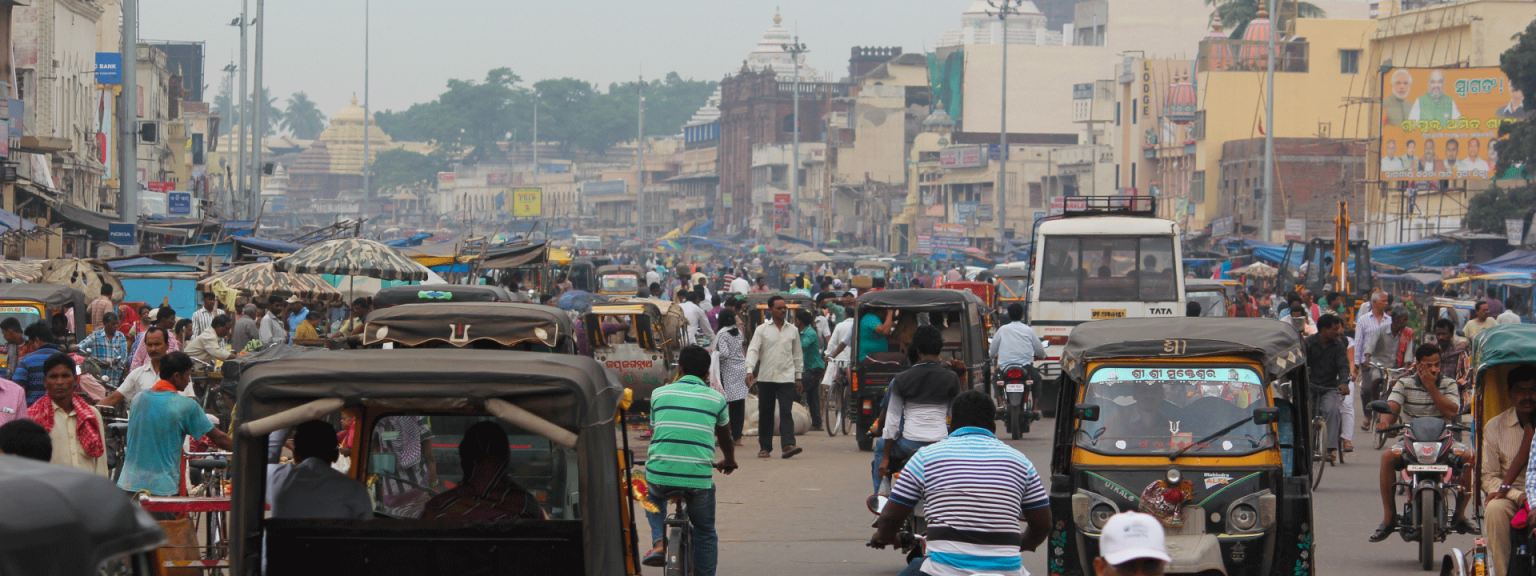
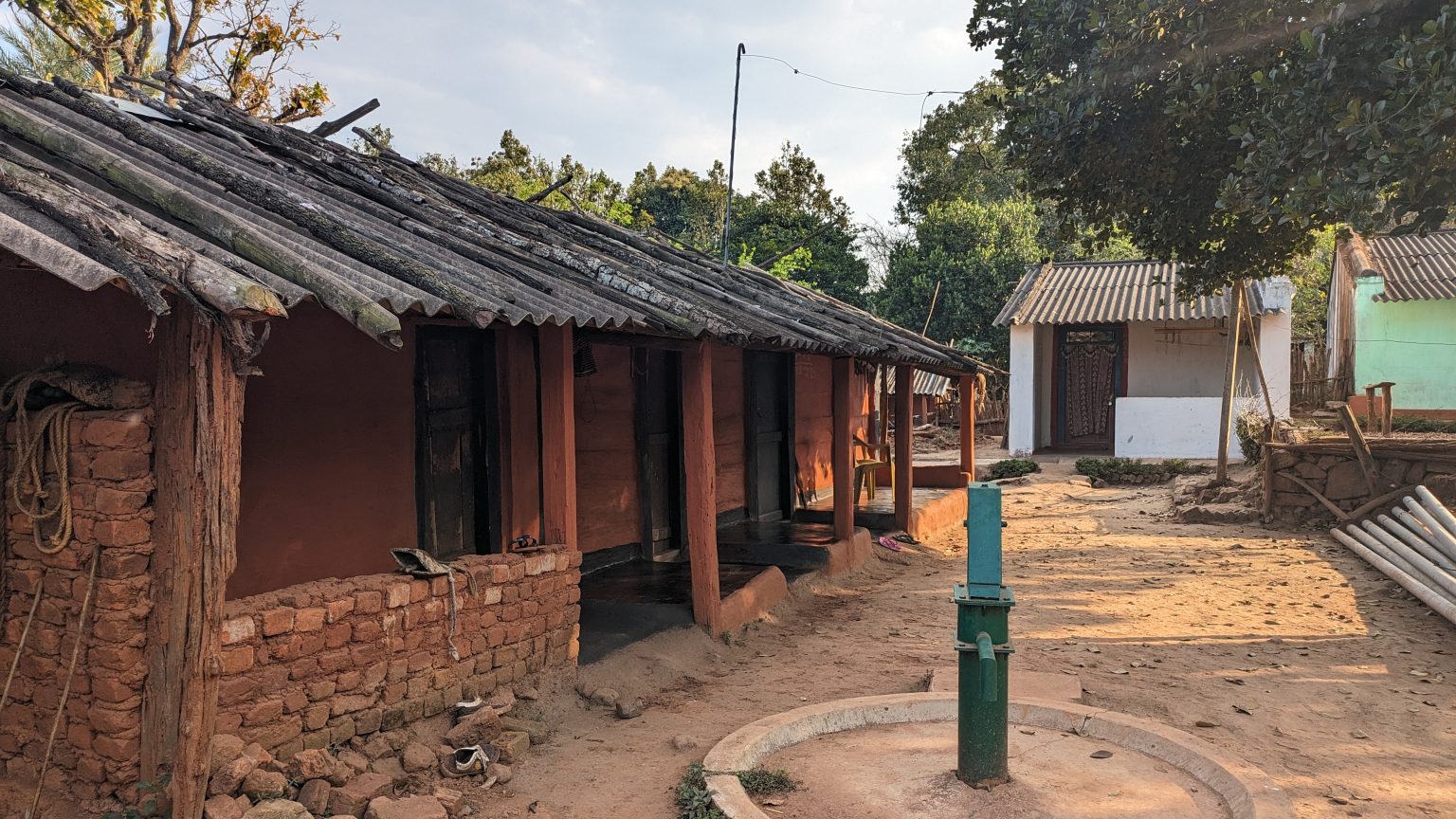
India is home to the largest population in the world, and experiences significant internal migration, more than 35-47% of its population are on the move. The country is also rapidly transitioning: by 2035, 43% of India is expected to live in cities. However, this shift comes with deep exposure to climate risks, which are already dampening GDP and causing loss and damage. Agrarian distress and changing aspirations away from farming are driving rural-to-urban migration. India’s economic growth is uneven, ~85% of the economy is informal, and climate vulnerability is shaping lives and livelihoods. Despite these challenges, India is simultaneously decarbonising its economy, investing in climate-proofing livelihoods and infrastructure, and making progress towards the Sustainable Development Goals.
Internal migrants in India (37% of the country's population)
People internally displaced in India (2023) due to disasters
People in India will face heat-stress related job losses
Of India's population will live in cities by 2035
Given this context, the Climate Change Local Adaptation Pathways (CLAPs) project aims to generate new knowledge on adaptation options, pathways, and their outcomes in India. Funded by the Foreign, Commonwealth and Development Office (FCDO), it focuses on Indian cities embedded within wider corridors of economic and regional growth, and other environmental and climatic changes. CLAPs will;
Map climate change adaptation options and pathways in select cities.
Examine migrant trajectories as they move between rural and urban areas.
Co-develop a set of evaluation tools to assess adaptation, and livelihoods options and pathways.
Envision possible climate-resilient, migrant-friendly development pathways that are place-based and aligned with stakeholder priorities.