


14 May How Place, Culture and History Shaped Adaptation Futures 2025 for Me
Looking back at my experience at Adaptation Futures 2025, I found myself torn between two approaches: reflecting on my personal experience of the conference, or on how the place itself—Christchurch, Aotearoa New Zealand—shaped that experience. In truth, these are inseparable. Being in Aotearoa, and particularly in Christchurch, reframed how I think about resilience, intentionality, and context in climate change adaptation.
I would be lying if I said I knew much about New Zealand before this trip, beyond the fact that it was far away. The distance mattered. The long flight mattered. Being thousands of kilometres from home, travelling to an island nation I had only heard of, terrified me. As someone with crippling flight anxiety, undertaking a journey spanning three time zones, three flights, and more than 20 hours—and then presenting just hours after landing at a renowned international conference—pushed me into a heightened state of fight-or-flight like nothing I had experienced before.
Jet-lagged and nervous, I questioned everything I thought I knew about self-regulation during international travel. And yet, alongside the anxiety was excitement and gratitude. As a first-time presenter at a prominent international conference, this felt like a deeply personal milestone—one that carried fear and pride in equal measure. It all felt surreal.

Travelling from Bengaluru to Singapore, Singapore to Auckland, and finally Auckland to Christchurch, I arrived at Te Pae Convention Centre. Along the way, I saw sprawling mountains, expansive green parks, cherry blossom trees, and carefully designed urban spaces. But one presence was inescapable: Māori culture and language.
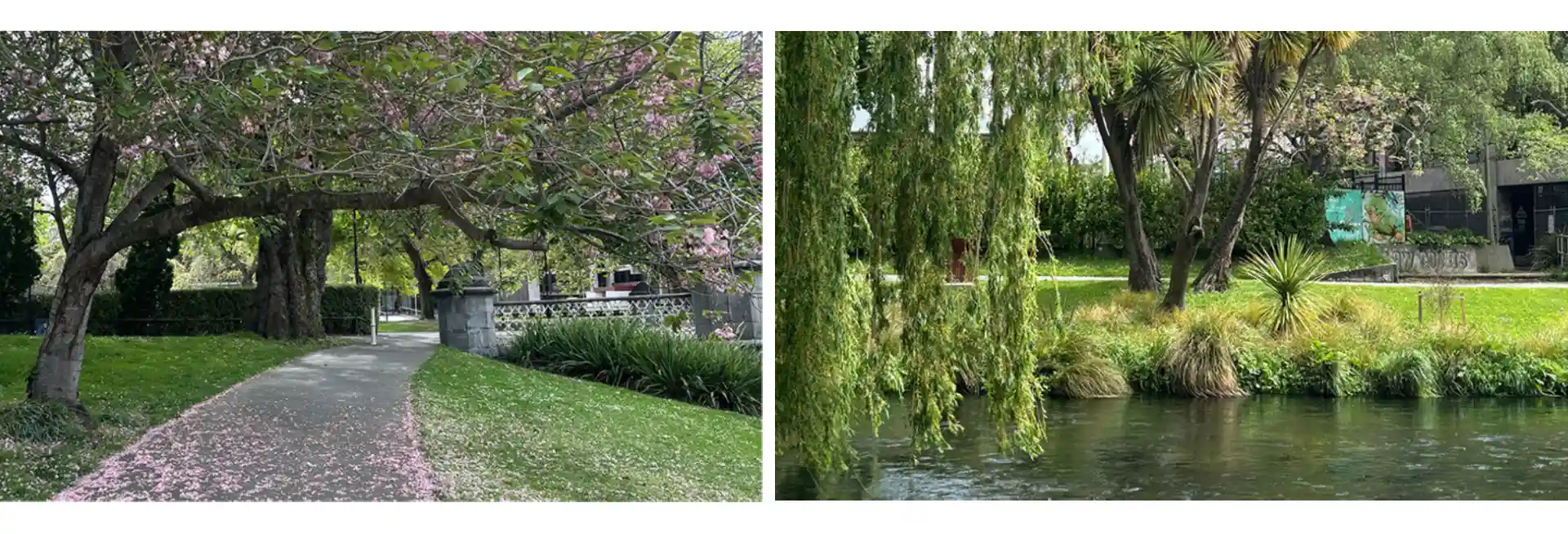
New Zealand is Aotearoa. Christchurch is Ōtautahi. This was entirely new to me. The last thing I expected, landing in what I had assumed to be a former British colony, was the centring of indigeneity, bilingualism, and a visible commitment to preserving Indigenous roots. From the airport onward, signboards were bilingual, welcoming visitors with "Kia Ora," seamlessly integrating te reo Māori into everyday life.
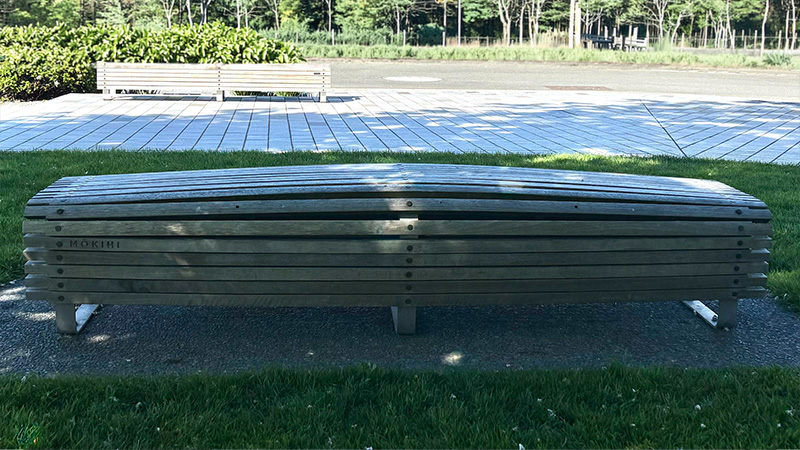

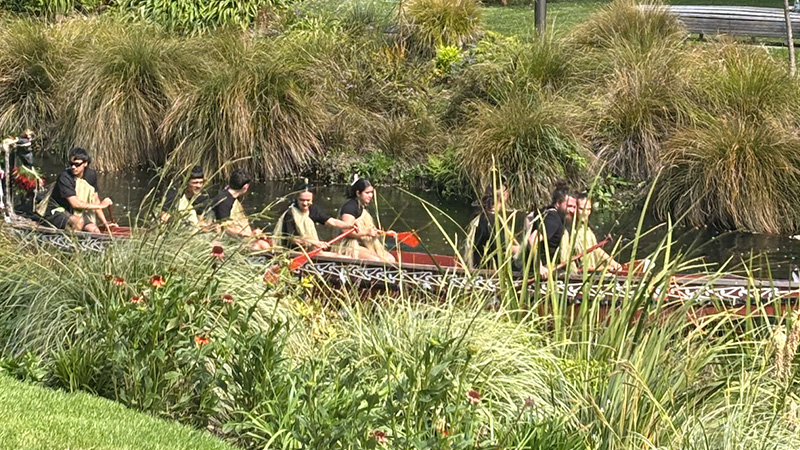
It quickly became evident that in Aotearoa, preserving Māori heritage is not symbolic or superficial—it is intentional and embedded across scales. From signage to urban planning and responses to climate risk, indigeneity is treated not as an add-on, but as foundational. This intentionality shaped how I experienced both the city and the conference.
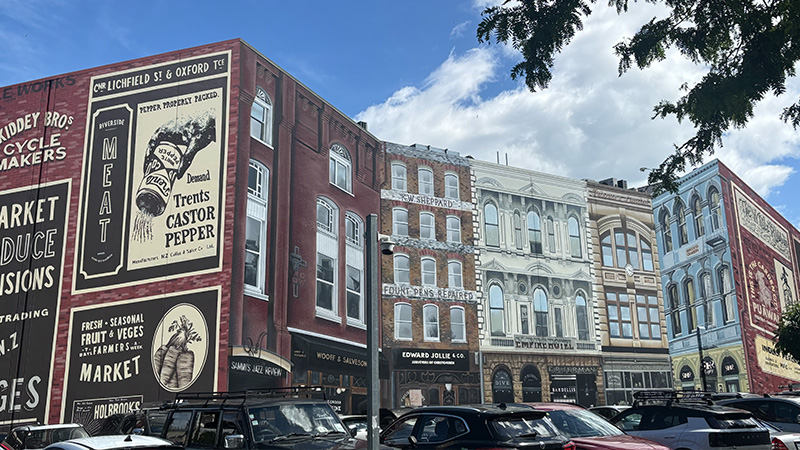
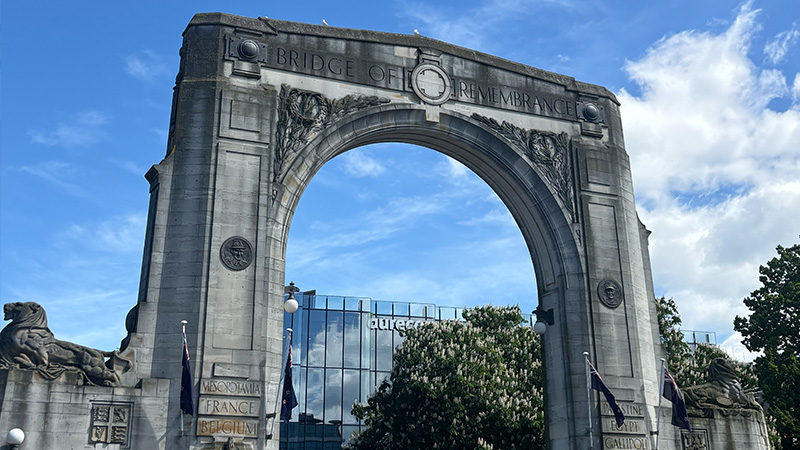
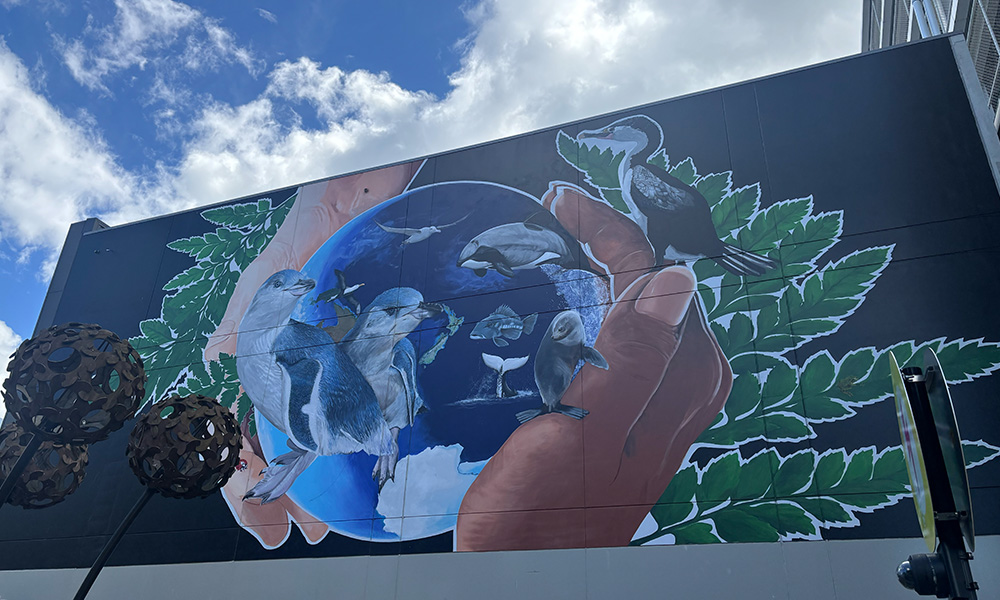
Christchurch itself added another layer. A city shaped profoundly by earthquakes, Ōtautahi visibly holds both loss and renewal. The contrast between older colonial structures and newly rebuilt spaces is striking—not just architecturally, but emotionally. Rebuilding here does not feel like erasure; it is careful, considered, and conscious of memory. In many ways, the city felt like a living metaphor for climate adaptation—forward-looking, while deeply aware of what has been lost and what must be honoured.
Adaptation Futures 2025 reflected this ethos clearly. The conference foregrounded Indigenous innovation and leadership, the futures of oceans and islands, biodiversity, settlements and infrastructure, health and well-being, and future generations. Art and storytelling were used alongside scientific discourse to deepen conversations around adaptation. This alignment between place and platform set a strong foundation for the discussions that unfolded over three days.
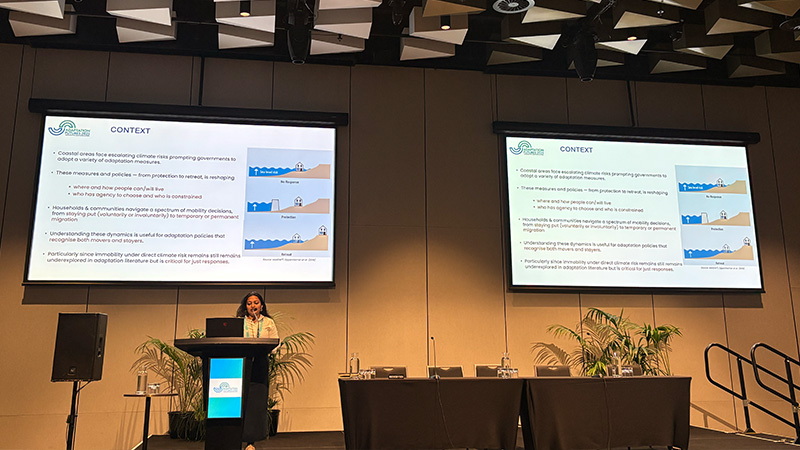
I had the opportunity to present my own work titled "Does Social Capital Enable Climate Adaptation? Insights from Low-Income Migrants in Bengaluru, India." Presenting this research to a room of practitioners working across diverse contexts was both unnerving and very rewarding. The discussion that followed offered valuable insights into how social capital intersects with well-being, shaping how individuals and communities navigate climate risks—reinforcing that adaptation is not only about infrastructure or policy, but about the social relationships that sustain people during uncertainty.
My colleague, Aysha Jennath, also presented her work on "An Agent-Based Modelling Tool for Evaluating Managed Retreat Policy in Coastal India," which found that without government intervention, involuntary immobility remains high across all climate scenarios—whereas managed retreat policies that balance housing and financial assistance can meaningfully improve adaptive outcomes.
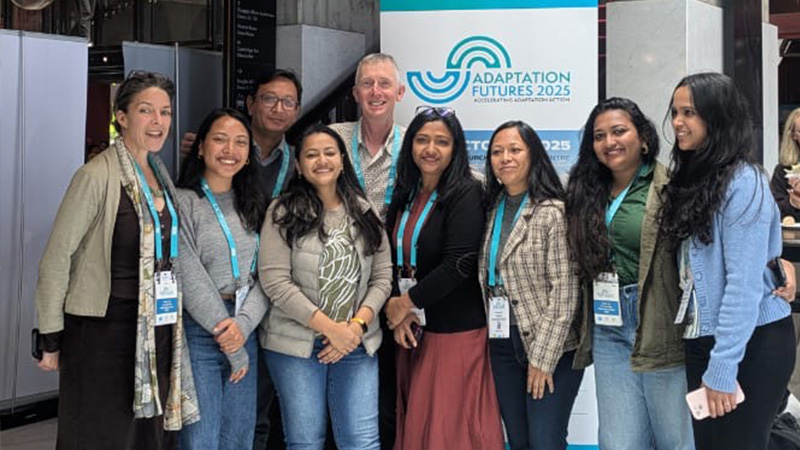
In conversations with senior researchers from the SUCCESS and CLAPs projects, a common thread emerged—climate change does not create new problems in isolation; it exacerbates existing inequalities and challenges, from biodiversity loss and poverty to well-being and development.
"Adaptation to climate change will strain every sinew of governance—generating pathways to sustainability that are inclusive and progressive as well as effective."
Neil Adger — University of Exeter, UK
What stood out was not just the range of work presented, but the growing acknowledgement that adaptation cannot be approached through narrow, siloed interventions. Effective adaptation requires confronting structural inequalities, rethinking governance, and aligning societal goals with inclusive pathways to sustainability. It is increasingly understood as a whole-of-society endeavour—one that demands engagement across disciplines, knowledge systems, and scales.
"Climate mobility was not covered in-depth, but I found the real possibilities of large-scale displacement of Small Island Developing Nation populations and Pacific communities in the near future very concerning."
Amina Maharjan — International Centre for Integrated Mountain Development, Nepal
There was also a strong emphasis on Indigenous and local knowledge, community-based adaptation approaches, and many panels on adaptation effectiveness and how to measure it. Compared to earlier iterations of Adaptation Futures, this platforming felt more prominent and intentional. At the same time, gaps were evident. Climate mobility was discussed, but not in depth. Conversations around adaptation limits—particularly in the context of Small Island Developing States and Pacific communities facing potential large-scale displacement—were sobering reminders that adaptation has boundaries we are only beginning to grapple with.
"But there is a lot to do! Adaptation pathways and limits remain niche and focused on particular hazards; leveraging all knowledge systems for institutional change is a work in progress and we need much more empirical work on incentivising adaptation behaviour."
Chandni Singh — Indian Institute for Human Settlements, India
One unexpected aspect of the conference was the presence of protests outside the venue—both by climate advocates and climate deniers—something I had never encountered at adaptation conferences before. Their presence was a reminder that even in spaces dedicated to climate solutions, consensus is not universal. Adaptation, like climate action more broadly, remains contested, political, and deeply intertwined with power and belief systems.
What I carry forward is not a neat set of takeaways, but a deeper understanding of context—a term used so often it has become almost rhetorical. Experiencing the true weight of the term opened my eyes to it as a way of seeing and a lens of analysis. Being in Aotearoa New Zealand, and in Christchurch specifically, underscored how place, history, culture, and intentionality shape not only how adaptation is practised, but how it is envisioned as an inevitable part of the future. It made me think about what it truly means to build resilience without erasing memory—and to plan for the future while remaining accountable to the past.